
The Doomsday Museum
An interactive guide to 6 of the world’s most pressing modern issues.

Global Warming
Global warming has been documented for decades and continues to increase global temperatures. Rising temperatures contribute to more frequent and severe natural disasters, influencing economic systems, infrastructure, and livelihoods worldwide. Scientific evidence has indicated that continued warming will intensify these impacts over time.
Plastic Pollution
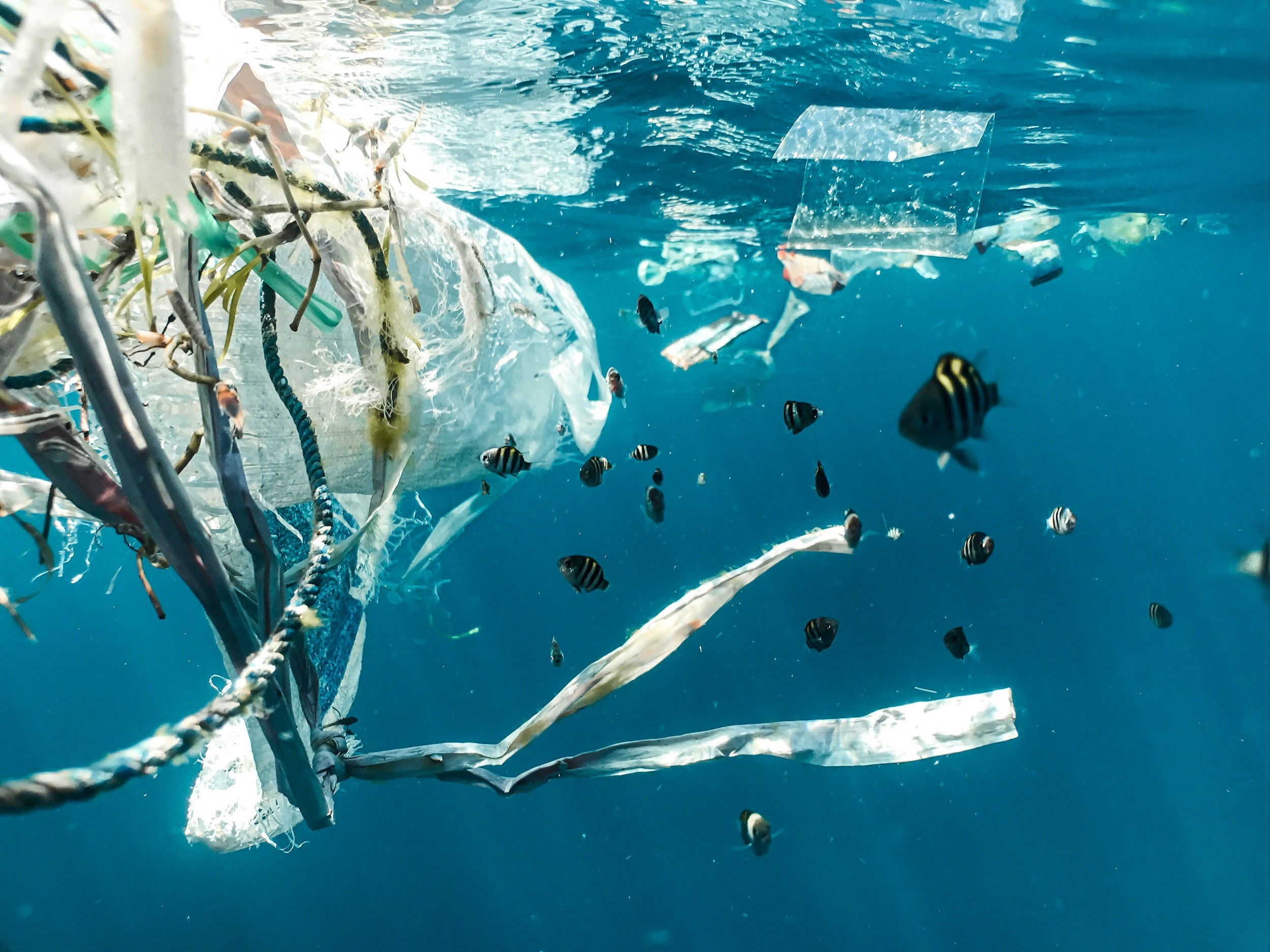
Plastic is widely used today due to its inexpensive, lightweight, and degradation-resistant qualities; these same properties allow plastic waste to persist in the environment, particularly in oceans and waterways. Marine organisms frequently ingest plastic debris, often leading to fatal results. Microplastics have also been detected throughout food systems and even human bodies.

Food Insecurity
Food insecurity contributes to over 9 million annual deaths, while an estimated 1/3 of all food produced globally is wasted. Despite worldwide food production exceeding the amount required to feed the global population, over 2.4 billion people experience moderate to severe food insecurity. This issue reflects deep-rooted challenges in food distribution, access, and resource management.

Refugee Crisis
The Russia-Ukraine and Israel-Palestine wars have both displaced millions of people, with civilian populations often affected most through loss of housing, infrastructure damage, obstructed resource access, and disruption of local economies. Many displaced individuals relocate to refugee camps or neighboring regions, placing additional pressure on humanitarian resources.

Air Pollution
Air pollution is responsible to an estimated 4-7 million deaths each year, and according to global health data, 9 out of 10 people breathe air containing pollutant levels above recommended limits. Major causes include industrial activity, transportation, energy production, and inadequate air monitoring policies, all contributing to a rise in respiratory and cardiovascular diseases.

Extreme Weather
Climate change is associated with shifts in the frequency and intensity of extreme weather events, as warmer surface temperatures contribute to atmospheric conditions that support disasters like hurricanes, tornadoes, and floods. Extreme weather events create immediate effects within regions they impact, from damaged ecosystems to ruined human settlements.
We strive to provide 100% accurate, unbiased information about world issues to best educate our community.
If you found any wrong information on our website or would like to share your thoughts on ways to improve the virtual museum, please let us know!